
Nasdaq falls 1.9% as the chip rout spreads to Asia
Published on October 15, 2026
The Nasdaq fell 1.88% on Wednesday and the selling has not stopped. Chip stocks are down for a sixth straight session, Asia took the full force of it on Thursday morning with South Korea in free fall, and hotter than expected US inflation has just changed the rate picture. The market is selling tech, not everything else.
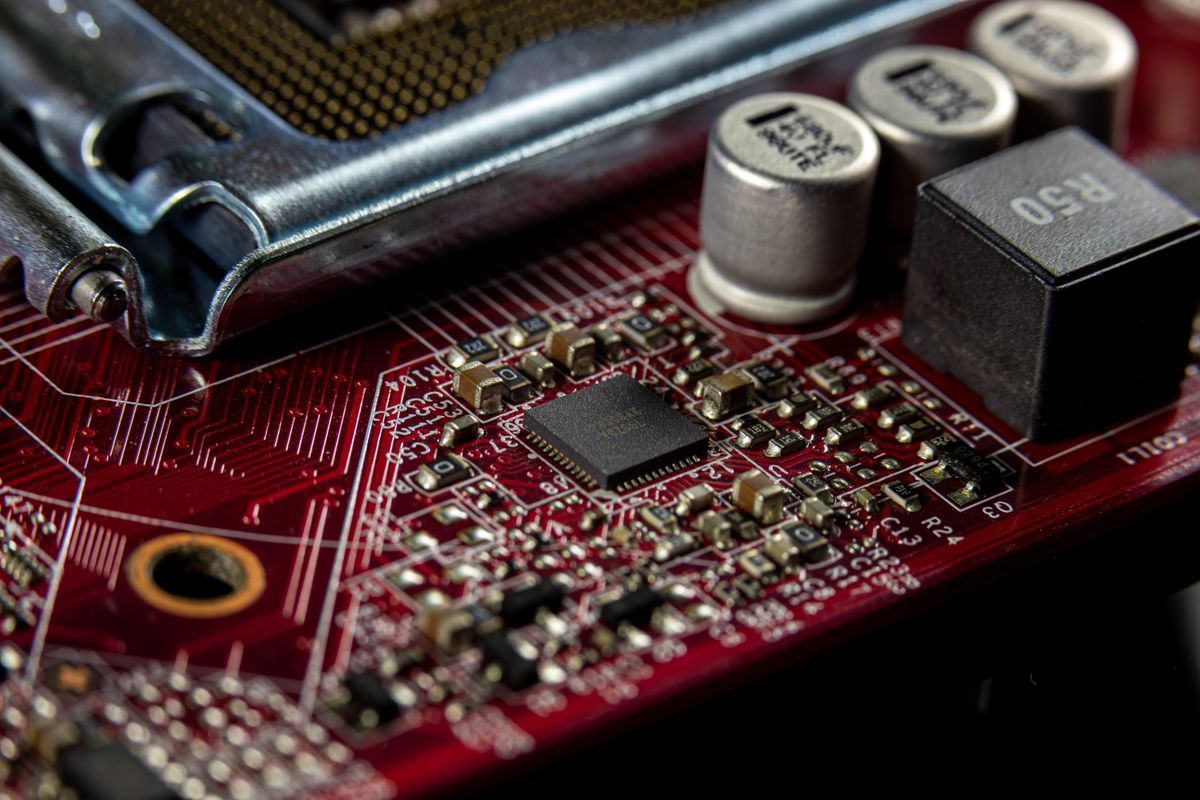
The Nasdaq breaks down while the Dow holds
Wednesday's numbers tell the whole story. The Nasdaq composite shed 511 points to close at 26,692.87, a drop of 1.88%. The S&P 500 lost 1.11% to 7,718.94, its worst session since late July. The Dow Jones gave up just 0.09% to 51,621.48, according to Associated Press data.
That gap matters. When one index drops almost two percent and another barely moves, the selling is targeted. The Philadelphia Semiconductor Index fell 4.5% and chips have now declined for six sessions in a row, Saxo notes. The Russell 2000 lost 1.93% and is in correction, more than 10% below its August peak.
JPMorgan strategists point to tech as the main driver of the drop, with AI financing risk and IPO timelines at the heart of the story, Reuters reports.
Asia picks up the bill
South Korea cracked on Thursday morning. The Kospi dropped roughly 8% to 5,527.12. Samsung Electronics fell 10.13%, SK Hynix 11.35%, and a circuit breaker halted trading on the Kosdaq at midday, the Korea Herald reported.
The rest of the region followed. The Nikkei gave up 5% to 64,334.68, Taiwan fell 3.4%, Shanghai 2% and the Hang Seng 1.3%. US futures stayed heavy, with the Nasdaq 100 contract near 29,877 and down about 1%, while the S&P 500 contract lost 0.4%.
The calendar makes it harder. TSMC reports third quarter results on Thursday, with the call at 08:00 Paris time. Revenue is already public at NT$1,494 billion, up 50.9% year on year, so the number that counts is fourth quarter guidance. Morgan Stanley expects growth of 10% to 15% quarter on quarter, per Admiral Markets.
Inflation puts a rate hike back on the table
The trigger came on Wednesday. September CPI printed at 3.7% year on year against the 3.6% economists expected, with a 0.6% jump on the month. Core inflation rose to 2.6%, above the 2.5% forecast.
Jamie Cox, managing partner at Harris Financial Group, said inflation is cooking with gas and argued the Fed is repeating an old mistake by treating an energy driven rise as temporary. Charlie Ripley, senior investment strategist at Allianz Investment Management, pushed back, saying most of the jump came from gasoline while the core picture looks more moderate, both quoted by TheStreet.
The bond market made its call. Fed funds futures now price a 31.6% chance of a 25 basis point hike on October 28, up from 22.1% a day earlier. The 10 year Treasury yield touched 5.28% on Wednesday before easing to 5.14% on Thursday morning. The VIX jumped 10% to 16.87, which is still modest next to the damage in tech. Our market page tracks these moves every morning.
Key levels today
| Instrument | Level (support / resistance) | Change (daily) | Scenario / What to watch |
|---|---|---|---|
| Nasdaq 100 (futures) | 30,000, major reaction zone now lost | -1.0% | Below 30,000 any bounce stays technical. A clean move back above would signal the chip rout is pausing |
| S&P 500 (futures) | 7,798 to 7,808, first resistance | -0.4% | The zone to reclaim to undo Wednesday's break. Above it, 7,822 then 7,838 to 7,848 come into play |
Levels mapped by James Stanley, senior strategist at StoneX.
Economic calendar
- 14:30 Paris time, September producer prices. Consensus +0.5% on the month and +0.3% core. A print above 0.6% pushes October 28 hike odds higher and sends the Nasdaq back toward its lows
- 14:30 Paris time, September retail sales. Consensus +0.3% on the month. A soft number would say the consumer is buckling under prices, bad for the indexes even if yields ease
- 14:30 Paris time, weekly jobless claims. 195,000 expected after 197,000, per Admiral Markets. Above 215,000 the market flips to the slowdown trade and the dollar slides
- 14:30 Paris time, Philadelphia Fed manufacturing index. Consensus 26.5. Below 15, Nasdaq 100 futures would struggle to hold 29,500
The bottom line
The Nasdaq and the chip complex are taking all the pressure while the Dow holds, which points to a targeted exit from the AI trade rather than a broad retreat from equities. TSMC guidance and the producer price report decide whether the rout spreads or stops here.
Get this market read every morning before the open by signing up for the newsletter. And to follow the levels live, download the TradingNerve iOS app on the App Store.
This is not investment advice.