
Revenge Trading: Why You Chase Losses, and How to Stop
Trading psychology · Updated on August 10, 2026
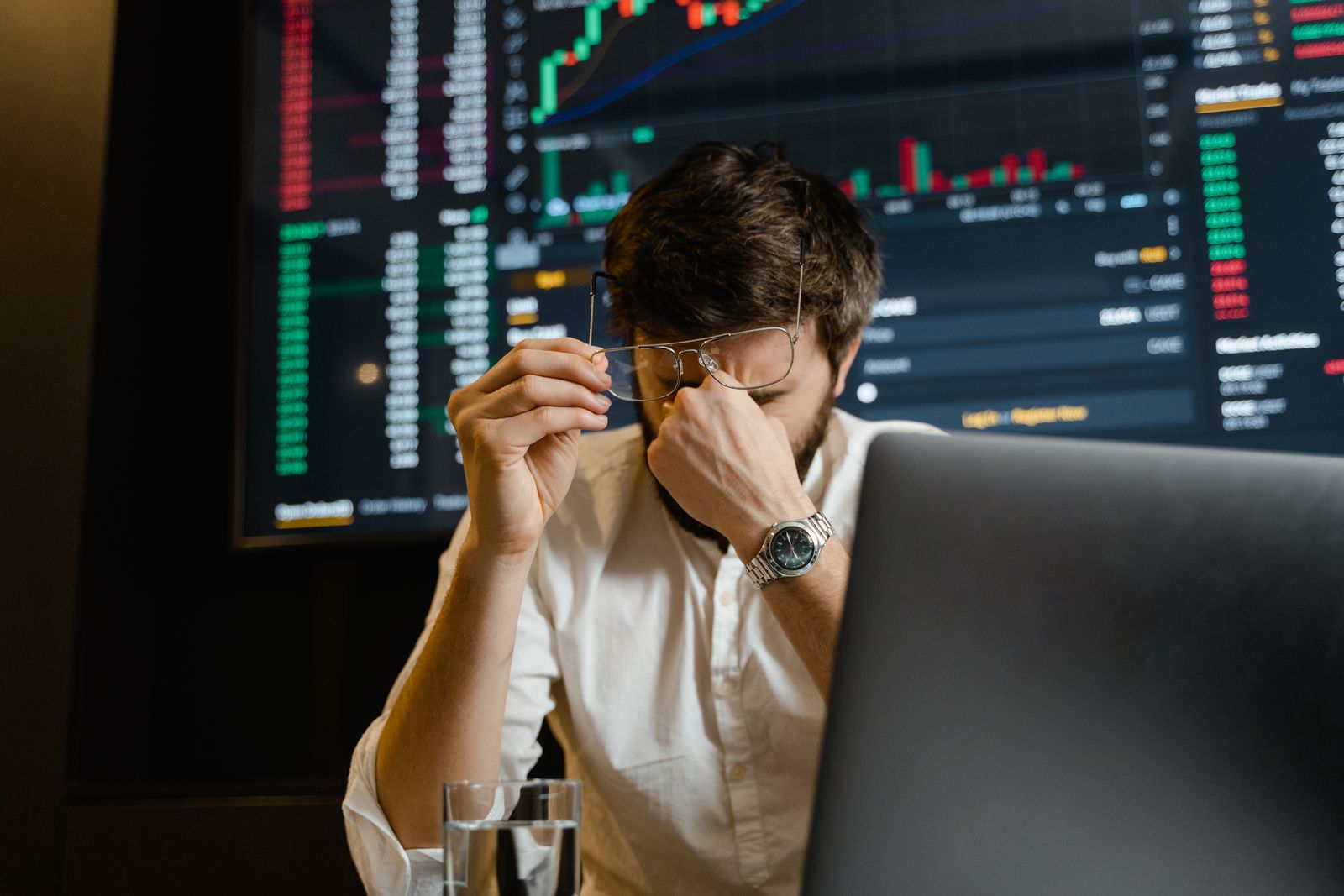
It is 3:47 pm. Your stop just got hit, minus $180. Technically nothing was wrong: clean setup, calibrated risk. But something lit up in your chest. Before you have analyzed anything, your hand is already on the mouse. Double size, no setup, one idea in your head: get those $180 back.
That has a name: revenge trading. And if you have been trading for more than three months, you have lived it.
Revenge trading psychology: why your brain wants to win it back
Behavioral finance has shown it since Kahneman and Tversky: a loss hurts roughly twice as much as an equivalent gain feels good. That is loss aversion, and experience does not make it go away. When your stop gets hit, your brain does not file the event as "statistical cost of a profitable strategy". It files it as an attack.
From there, chemistry takes over. Stress rises, the prefrontal cortex, the part that plans and calculates, steps back, and the limbic system, the part that reacts, takes the wheel. The urge to win it back is not a character flaw. It is a repair response: your brain is not looking for a good trade, it is trying to erase pain. The market becomes a personal opponent, and every minute without a position feels like leaving the debt open.
The problem: the market has no memory of your loss. The revenge only exists in your head, but it gets paid from your account.
Signs of revenge trading: how to know you are already in it
Your position size inflates. You risked 1% per trade all morning, and suddenly it is 3%, because it has to come back fast. This is the most reliable tell: size going up right after a loss is the revenge talking.
Your setup disappears. In the morning you waited for your configuration. Now any moving candle will do. If you cannot say in one sentence which setup you just took, you did not take a trade, you took a hit.
You slip into overtrading. You drop from M15 to M1, you are in and out within minutes, you watch the P&L instead of the chart. Revenge is in a hurry. A plan never is.
Why revenge trading loses money
The revenge trade stacks everything that loses: oversized position, no plan, emotional entry, panicked exit. The math is brutal: even if it wins half the time, its expectancy is negative, because you cut winners fast, fear of losing again, and let losers run, refusal to take a second hit.
Then there is the invisible cost: a small clean loss turns into a red day, the red day into a broken rule, the broken rule into doubt about your whole system. Most accounts do not die from a bad strategy. They die from one hour of revenge.
How to stop revenge trading: a 4-step method
Write your daily loss limit before the session. Not in your head, in writing: max daily loss, max number of trades. A decision made cold does not get renegotiated hot. Limit hit, day over, and it is a good day because you followed your rule.
Apply the two-loss rule. Two losses in a row, mandatory 15-minute break, screen closed. It is not a punishment: it is the time your cortisol needs to come down and your prefrontal cortex needs to take back the wheel.
Breathe before you click again. Three slow breaths before any new entry after a loss. It sounds ridiculous, it changes everything: you cannot hold your breath and think clearly at the same time.
Journal the urge instead of trading it. Open your journal and write "out for revenge, 3:47 pm". Naming the emotion moves it from the limbic system to the cortex. You just turned an impulse into a data point.
A trading journal is the best tool against revenge trading
This is exactly why we built TradingNerve. The pre-session check-in asks how you feel, and "Out for revenge" is literally one of the choices. Pick it and the app tells you straight: today is not the day to force it. You set your loss limits before trading, your discipline score tracks your rules day after day, and the AI coach reads your actual trades to spot the pattern: "you win when you follow your rules, you break them after two losses". Seeing it in writing, based on your own trades, is often the wake-up call that willpower alone never delivers.
Next time your stop gets hit, remember: the market owes you nothing, and it does not remember your loss. The only thing you can win back in the next hour is not your money, it is your trading discipline. The money follows it.