Overtrading: Why You Take Too Many Trades, and How to Stop
Trading psychology · Updated on September 3, 2026
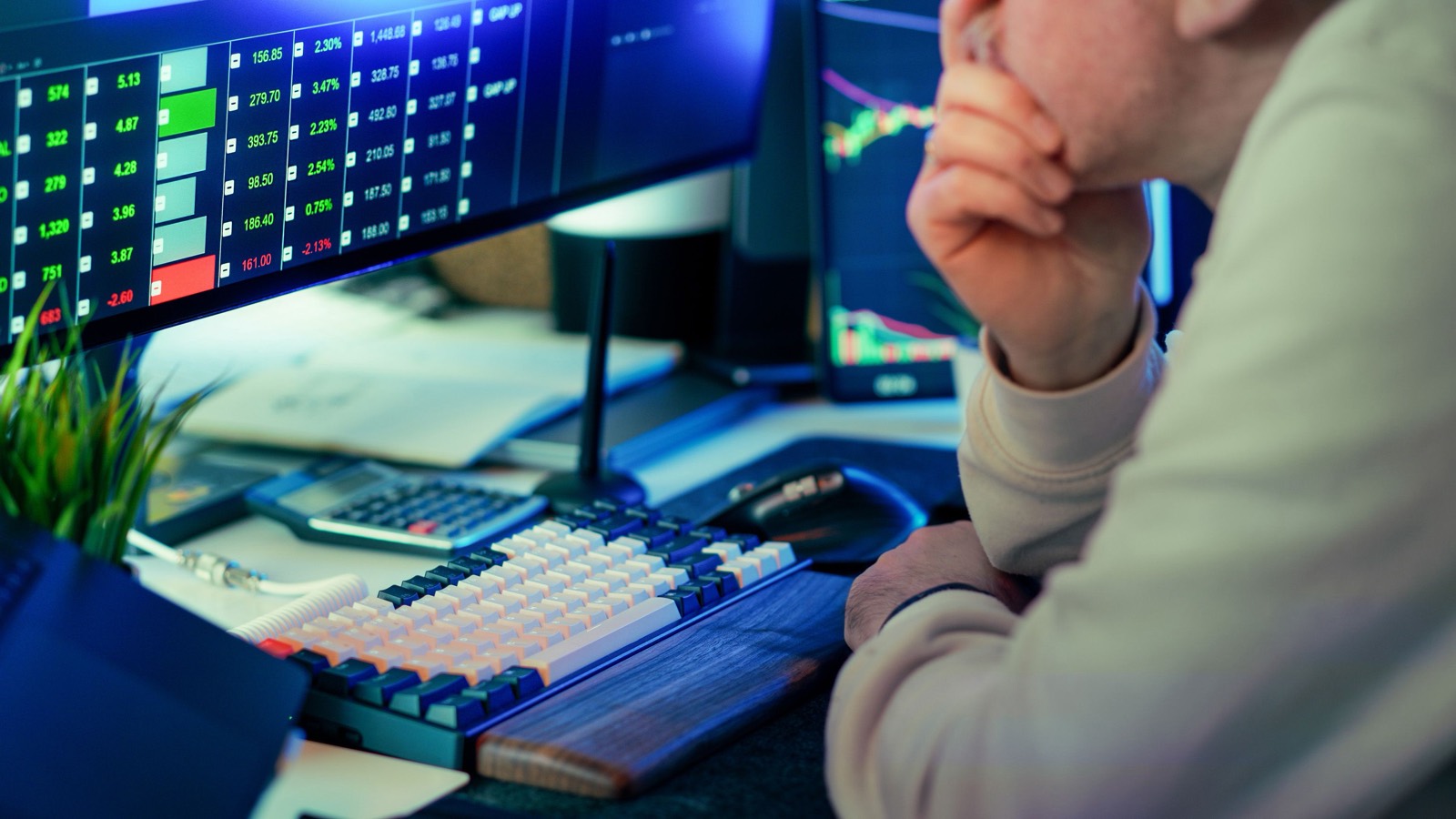
Tuesday, 3:40 pm. Your morning plan fit on one line: three trades maximum. You are on your fourteenth. The first two were clean, up $140 by 10:30, plan followed. Then an entry "so I don't miss the pullback", another to make up for the one before, two scalps in the lunchtime range because sitting on your hands felt like wasting the day. At 3:40 pm the day is down $85, your eyes hurt, and you could not say which of those trades was planned. You did not lose to the market. You lost to the count.
What exactly is overtrading?
Overtrading is taking more trades than your trading plan calls for, or bigger positions than your risk rule allows. The part that matters is not the number: a scalper can take fifteen clean trades in a morning, and a swing trader can overtrade with three positions in a week. The real test is the trade you cannot tie to a setup written in advance.
That changes everything, because your statistical edge, your expectancy, only exists on the trades that meet your criteria. Every trade outside the plan is a bet with zero or negative expectancy, added to your day with commissions on top. Twelve off plan trades in a week are twelve rolls of the dice diluting the three real trades you took well.
Why you take too many trades
Because your brain loves it. A trading platform is a variable reward machine: you click, you do not know what comes out, and every now and then it pays. That is the exact mechanism of a slot machine, and it releases dopamine on every click, winner or loser. Waiting two hours for a setup, by comparison, releases nothing at all.
Then comes action bias. Sitting in front of the screen doing nothing feels like not working. Taking a trade feels like working. Your brain confuses activity with productivity, and the flat range from noon to 2 pm becomes the most dangerous stretch of your day: not because there are opportunities, but because there are none.
Finally, overtrading is the common denominator of every other trap. After a loss you take another trade to make it back: that is revenge trading. After a missed move you enter late: that is FOMO. After two wins you feel untouchable and take the third without a setup. Three different emotions, one symptom: one more trade.
The 4 signs you are overtrading
Some signs do not lie, and your journal shows them in black and white.
- Your first trades win, the later ones hand it all back. If your day is green at 11 am and red at 4 pm, week after week, the afternoon is not to blame. That is decision fatigue: past two or three hours of focus, the quality of your choices collapses.
- You cannot name the setup you just took. "It looked like it was going" is not a setup.
- Your trade count rises when the market goes quiet. A real setup is born from volatility. If you trade more in the range than in the trend, you are trading boredom.
- You drop to a lower timeframe to find entries. Going from the 15 minute to the 1 minute chart at 2 pm is hunting for setups that do not exist on the timeframe that defines them.
Any one of these four is enough to start the method below.
How to stop overtrading: the 4 step method
Step 1: set your trade count before the session. Not during. The number is decided in the morning, cold, and it comes from your history: how many quality setups does your trading journal show you per day? Usually two or three. Write that ceiling down next to your loss limit, and treat the next trade as forbidden, not optional.
Step 2: one entry, one named setup. Before every click, one line: "break of the London high, retest, stop below the wick". If you cannot write it in ten seconds, you do not have a trade, you have an urge. That line costs ten seconds and removes most off plan trades on its own.
Step 3: install automatic stops. Two losses in a row, thirty minutes away from the screen. Daily loss limit hit, session over. Trade quota reached, platform closed, physically, even if the setup of the century shows up. Rules are decided while you are calm, precisely so they execute when you no longer are.
Step 4: earn every extra trade. Want to go from three to five trades a day? Show yourself five straight days of three clean trades, then normal position size on the fourth. Discipline is the only thing that unlocks volume, never the urge.
Your journal knows how many trades a day you are worth
The whole method rests on one data point: your number of quality setups per day, and only your journal knows that figure. In TradingNerve, session prep has you set today's limits, max loss and max trades, before the first candle. The rule "Stop trading after 2 consecutive losses" is part of the starter rules pack, every trade is marked rules followed or not, and your discipline score tells you in one number whether your off plan trades have taken over. The "Out for revenge" mood check-in hands you a mirror before the one click too many, and the AI coach shows you what your trades beyond the ceiling really cost.
Download TradingNerve on the App Store and your next trade too many will not slip by unnoticed.
The one trade too many never looks like one in the moment. It only looks like one in the evening, in the journal. Better to read it beforehand.