Fed rate hike back on the table as S&P 500 holds 7,708
Published on August 20, 2026
The Fed rate hike question is back, and it changes what matters for the rest of August. July's meeting minutes show many officials ready to tighten again if inflation refuses to cool. Wall Street shrugged anyway, with the S&P 500 closing at 7,708 as long bond yields backed off.
What the July minutes actually said
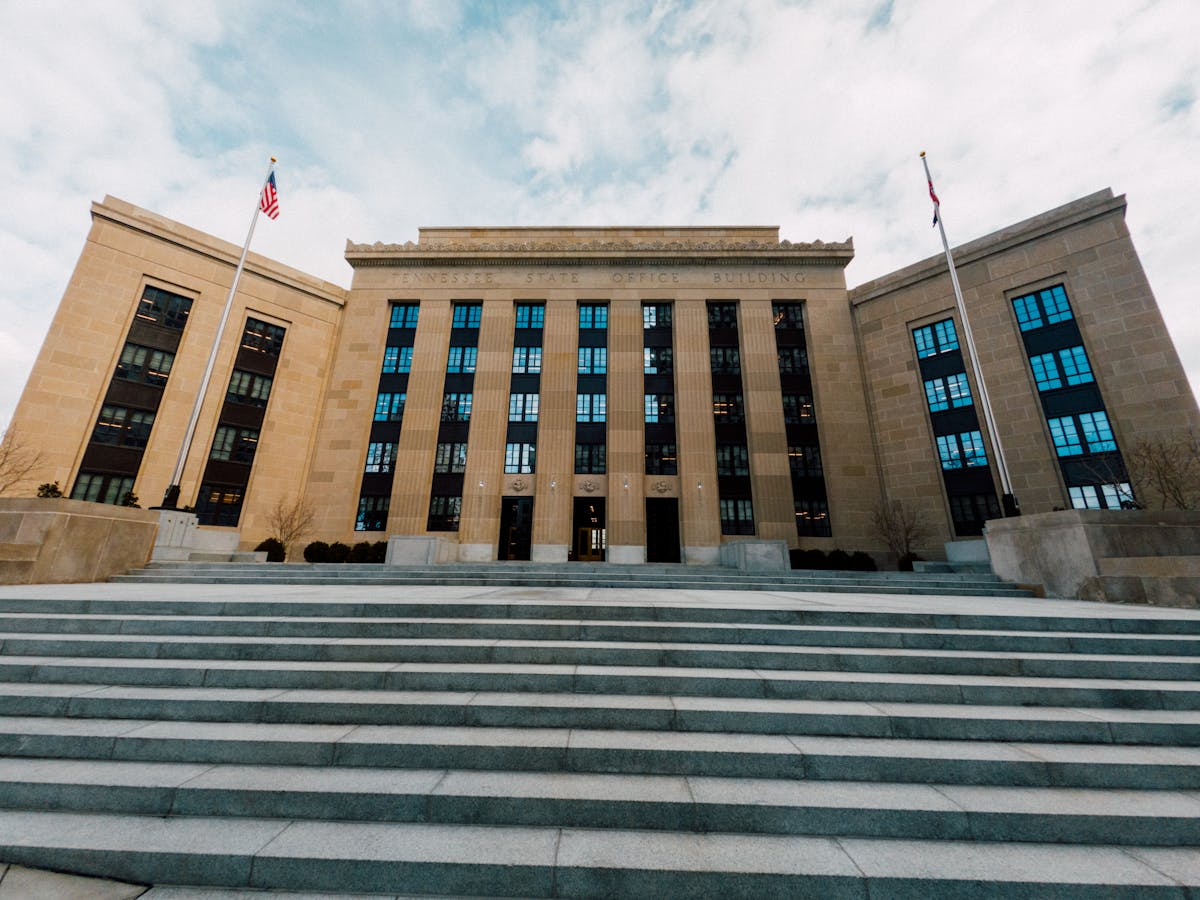
The record of the July meeting, released Wednesday afternoon, shows a split committee. The vote was 9 to 3, with Beth Hammack of Cleveland, Lorie Logan of Dallas and Neel Kashkari of Minneapolis all pushing for a quarter point increase. More important, Forbes reports that many participants said a hike would "likely be necessary if inflation did not decline." The target range stays at 3.50% to 3.75%.
Most members still expect prices to cool steadily. But as Quartz put it, this was the most fractured policy vote in years. Inflation is still running hot: July CPI came in at 3.4% year over year, with core at 2.5%, per the BLS.
Why stocks closed green anyway
Because the bond market finally caught a break. The Treasury doubled its buybacks of long dated debt, and the 30 year yield slid back to 5.19% after touching 5.34%, its highest in nineteen years. The 10 year eased to 4.65%. That was enough to end a three day slide: the S&P 500 finished at 7,708 (+0.21%), the Dow at 53,463 (+0.22%) and the Nasdaq Composite at 26,331 (+0.16%).
Asia followed. Japan's Nikkei jumped 1.41% to 66,250 on Thursday morning on the same yield relief, while Germany's DAX went nowhere at 26,116. US futures point mildly higher this morning, the S&P 500 contract up 0.16% and the Nasdaq 100 up 0.42%, according to Benzinga.
A Fed rate hike the equity market is not pricing
Here is the gap worth watching. Bonds are screaming, stocks are napping. The VIX sits at 14.89, near its 2026 low, and the Fear and Greed Index reads 56, squarely in greed. Meanwhile traders put 34.6% odds on a September hike and 68.4% by December.
Phil Camporeale, chief investment strategist at J.P. Morgan Wealth Management, wrote in a note carried by Chase that slow supply chain normalization around the Strait of Hormuz, plus market doubts about the Fed's inflation fighting credibility after July, have "lowered the bar for a rate hike in September." For a trader, that risk is not in options prices right now.
Oil and the dollar tell the same story
Two prices explain the inflation problem. WTI holds at $84.53, up more than 3% this week, on the standoff between Washington and Tehran over Hormuz. Expensive energy is exactly what keeps headline inflation sticky.
The dollar is not cooperating either. The euro trades at 1.1602, a two month high, when a more hawkish Fed should be lifting the greenback instead. That divergence says currency traders are not yet convinced. Gold sits near $4,494 an ounce, up more than 10% in a month, and bitcoin steadies around $65,320. Full session detail lives in our market coverage.
Key levels today
| Instrument | Level (support / resistance) | Daily change | Scenario / What to watch |
|---|---|---|---|
| S&P 500 (ES futures) | Support 7,690 to 7,700, resistance 7,770 to 7,800 | +0.21% | A push through 7,800 takes out the August 13 record close of 7,798.99 and opens 8,000. Lose 7,690 and the August range breaks, putting the 50 period average near 7,567 back in play. |
| EUR/USD | Support 1.1530 to 1.1521, resistance 1.1601 to 1.1576 | +0.23% | A clean close above 1.1601 targets the 1.1660 to 1.1668 zone. Back below 1.1521 and the dollar takes charge, which is the move a real tightening scare would produce. |
Economic calendar
8:30 a.m. ET: weekly jobless claims. A clear jump above recent weeks pushes the hike debate down the road and lets indexes breathe. A low print hands the hawks another argument.
8:30 a.m. ET: Philadelphia Fed manufacturing survey. Stronger activity paired with rising prices paid is the worst combination for equities, because it confirms the sticky inflation case.
10:00 a.m. ET: July leading indicators. Second tier data, but another decline would feed the slowdown argument the Fed keeps brushing aside.
Next week: the Jackson Hole symposium runs August 27 to 29, with Kevin Warsh delivering the keynote on Friday morning, August 28, his first as Fed chair. If he blesses the tightening case, the September 16 meeting gets very interesting.
The bottom line
The Fed reopened the door to a rate hike and equities are looking the other way while long yields retreat. The S&P 500 keeps the benefit of the doubt above 7,690 to 7,700, but the cushion is thinner heading into Jackson Hole.
Get this brief in your inbox before the open, sign up for the newsletter.
Download the TradingNerve iOS app on the App Store to track these levels live.
This is not investment advice.