
US stocks: oil surges as Fed turns hawkish
Published on July 9, 2026
Crude is climbing again and the Federal Reserve has slammed the door on rate cuts. That double squeeze sent the Dow Jones down more than 1% on Wednesday and it saps risk appetite into Thursday's open. The market now heads toward the June CPI with frayed nerves.
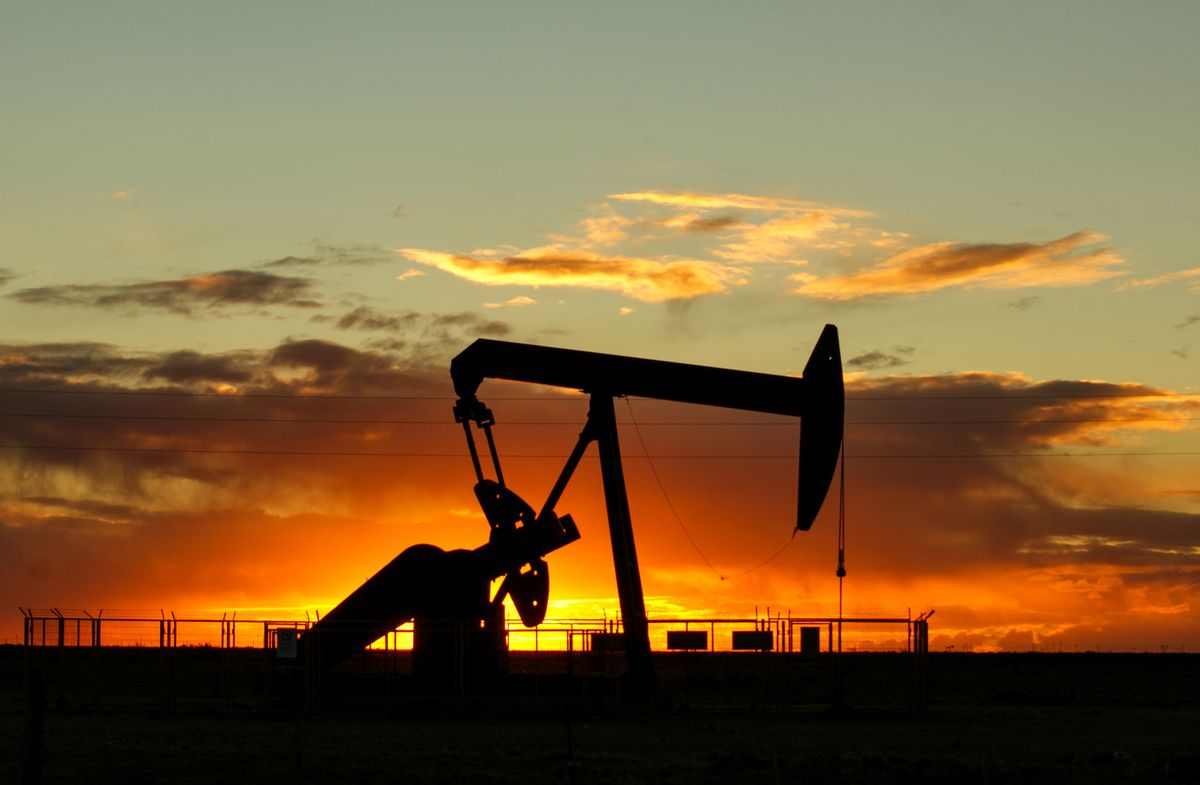
Oil reignites the inflation fear
Brent jumped 5.43% to $78.19 and WTI 4.37% to $73.52 after Donald Trump declared the deal with Iran void. The United States struck Iranian territory for a second straight day and Tehran promised retaliation against US bases in the region. The Strait of Hormuz, which carries close to a fifth of the world's crude, is again the pressure point. Daniela Hathorn, senior analyst at Capital.com, captures the mood: the renewed Middle East tension has interrupted a market narrative that had grown too complacent. Crude parked between $70 and $90 keeps pressure on prices and pushes the fast disinflation scenario further away.
The Fed shuts the door on cuts
The minutes from the June 16-17 meeting, released Wednesday, doused the optimists. Nine of eighteen members now expect at least one rate hike by the end of 2026, against just one who sees a cut. The median 2026 PCE inflation projection was lifted to 3.6%, up from 2.7% in March. The Fed chair did not submit his own estimates, a sign the central bank intends to move away from its traditional guidance. The policy rate stays pinned between 3.50% and 3.75%.
Gold falls against the grain
In a rare move during wartime, gold slipped to around $4,030, its lowest since July 2. A stronger dollar and rising bond yields, fed by hawkish minutes, make the non-yielding metal less attractive. The euro drifted back toward 1.1400 against the greenback. In crypto, ether changed hands near $1,735 and bitcoin around $64,000, with caution spreading across risk assets.
Wall Street ends mixed
The Dow Jones lost 576.76 points, or 1.09%, to 52,348.39, only three sessions after topping 53,000 for the first time. The S&P 500 gave up 0.28% to 7,482.71 while the Nasdaq limited the damage with a 0.2% gain to 25,870.65, supported by tech names. In Europe, the CAC 40 dropped 2.18% to 8,252.66 and the DAX fell more than 2%, hit by the energy bill.
Key levels today
| Instrument | Level / Price | Change | Watch |
|---|---|---|---|
| S&P 500 | 7,482.71 | -0.28% | Support near 7,400 |
| Nasdaq Composite | 25,870.65 | +0.2% | Tech resistance |
| Dow Jones | 52,348.39 | -1.09% | Move back below 52,000 |
| CAC 40 | 8,252.66 | -2.18% | Energy bill |
| Brent | $78.19 | +5.43% | The $80 threshold |
| WTI | $73.52 | +4.37% | Strait of Hormuz |
Economic agenda
Today at 2:30pm Paris time, US weekly initial jobless claims, seen near 215,000. On July 14 at 2:30pm Paris, the June CPI will set the tone, with forecasts hovering around 4% year over year.
The bottom line
Oil and a hawkish Fed dominate a tense session. Jobless claims, then next week's CPI, will shape what comes next.
Get this briefing every morning before the open. Sign up for the newsletter so you never miss a release.
Follow the levels live. Download the TradingNerve iOS app on the App Store.
This is not investment advice.