
US stocks: Nasdaq rebounds on chips
Published on July 10, 2026
Wall Street shook off a high-stakes session. On Thursday the Nasdaq climbed 1.30% to 26,206.89, led by semiconductors, while oil stayed tense and gold slipped again. Heading into the weekend, traders are already bracing for a busy week ahead, with US inflation and the big banks front and center.
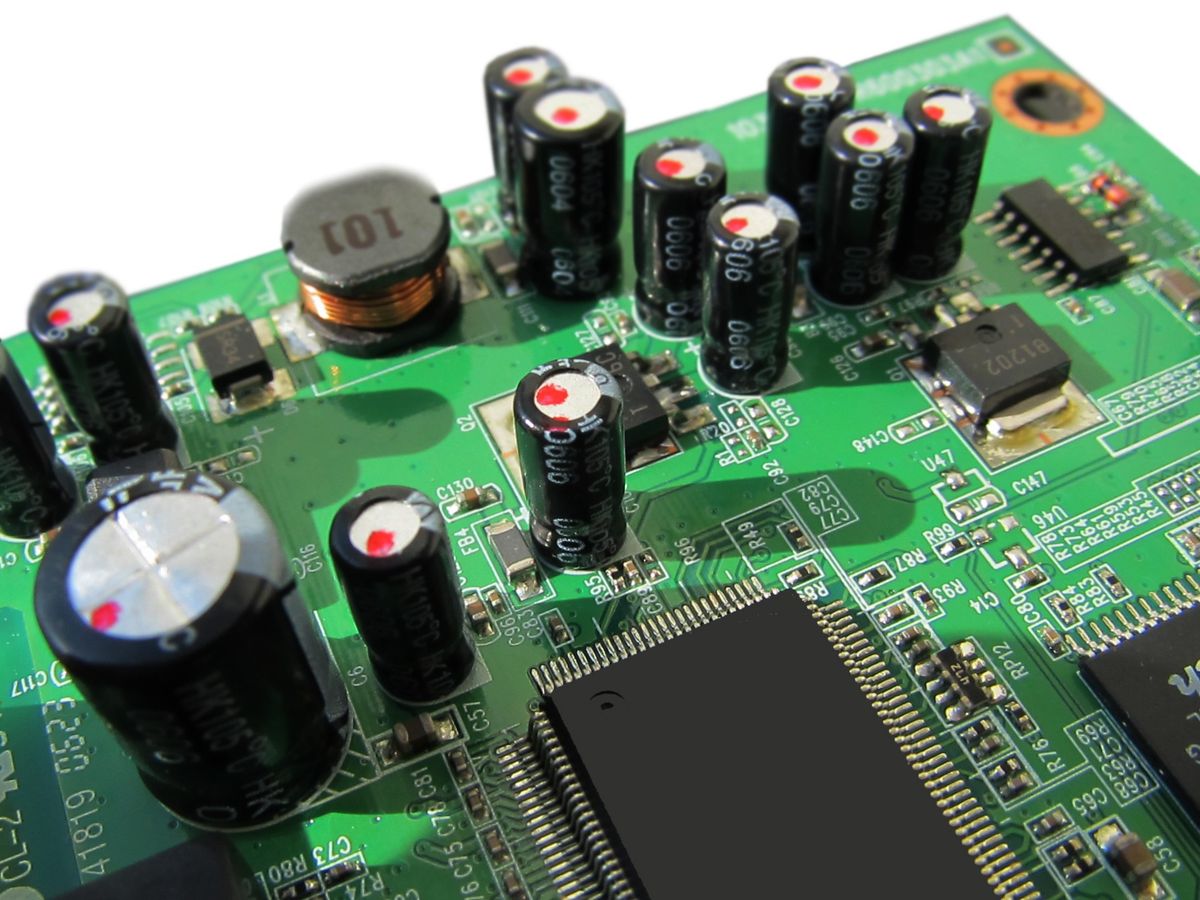
Chips do the heavy lifting
Renewed appetite for artificial intelligence was enough to erase the prior day's air pocket. The S&P 500 rose 0.81% to 7,543.64 and the Dow Jones added 0.27% to 52,487.41, within reach of its record. The rotation back into chipmakers, the market's engine all year, resumed after a brief bout of profit-taking. Investors read it as confirmation that AI-driven demand is not fading, the theme that has dominated trading for months.
Oil and Hormuz keep markets on edge
The backdrop stays geopolitical. The US and Iran traded strikes for a second straight day, reviving fears over the Strait of Hormuz, which carries a large share of the world's crude. WTI holds near $73.5 after jumping 4.4% the day before, and Brent trades around $78. The energy spike rekindles inflation risk at the worst possible moment, days before the consumer price report. Gold, meanwhile, fell for a second session below $4,100, pressured by a firmer dollar against the majors.
Wall Street split on what comes next
Under the surface, the consensus is cracking. The median strategist target sits near 7,850 for the S&P 500 by year-end, limited upside after a near 9% gain since January. Bank of America still holds a 7,100 target that would imply a pullback, while Ed Yardeni just lifted his to 8,250. That gap captures the mood: a market that keeps rising but that no one calls cheap anymore. The VIX, at 16.90, stays low despite a 4.8% pop, a sign of complacency, while CNN's Fear and Greed gauge sits in fear territory.
Eyes on inflation and the banks
Next week looks pivotal. On Tuesday, June CPI is expected up 2.6% year over year and 3.0% at the core, a figure that would start to reflect the impact of tariffs. The same day, JPMorgan, Citigroup and Wells Fargo open earnings season. Analysts expect second-quarter S&P 500 profits up 24% from a year earlier, per FactSet, the fastest growth since 2021. The tone set by the banks will frame the rest of the season. Follow the schedule in our daily market recaps.
Key levels today
| Instrument | Level / Price | Change | What to watch |
|---|---|---|---|
| S&P 500 | 7,543.64 | +0.81% | Proximity to records |
| Nasdaq Composite | 26,206.89 | +1.30% | Chip momentum |
| Dow Jones | 52,487.41 | +0.27% | Possible record break |
| Bitcoin (BTC) | $62,600 | -1.7% | Geopolitical sensitivity |
| Ethereum (ETH) | $1,744 | -1.5% | Risk correlation |
| VIX | 16.90 | +4.8% | Sign of complacency |
Economic calendar
Friday, July 10 brings no major US data, which favors a consolidation session. On Tuesday, July 14 at 8:30 a.m. Eastern, June CPI delivers the week's most anticipated test. Right after, results from the big US banks officially kick off earnings season.
The bottom line
Semiconductors rescued the session and pushed the indexes back toward their highs. The real verdict lands Tuesday, between inflation and the first bank results.
Get this briefing every morning before the open. Sign up for the newsletter so you never miss a release.
Follow the levels live. Download the TradingNerve iOS app on the App Store.
This is not investment advice.