
Gold jumps to $4,084 as US inflation cools
Published on July 15, 2026
Gold set a fresh record on Tuesday at $4,084 an ounce after US CPI cooled to 3.5% year on year. The retreat in inflation pushes the threat of a rate hike away and restores the metal's shine, while Wall Street rebounds and oil stays under pressure.
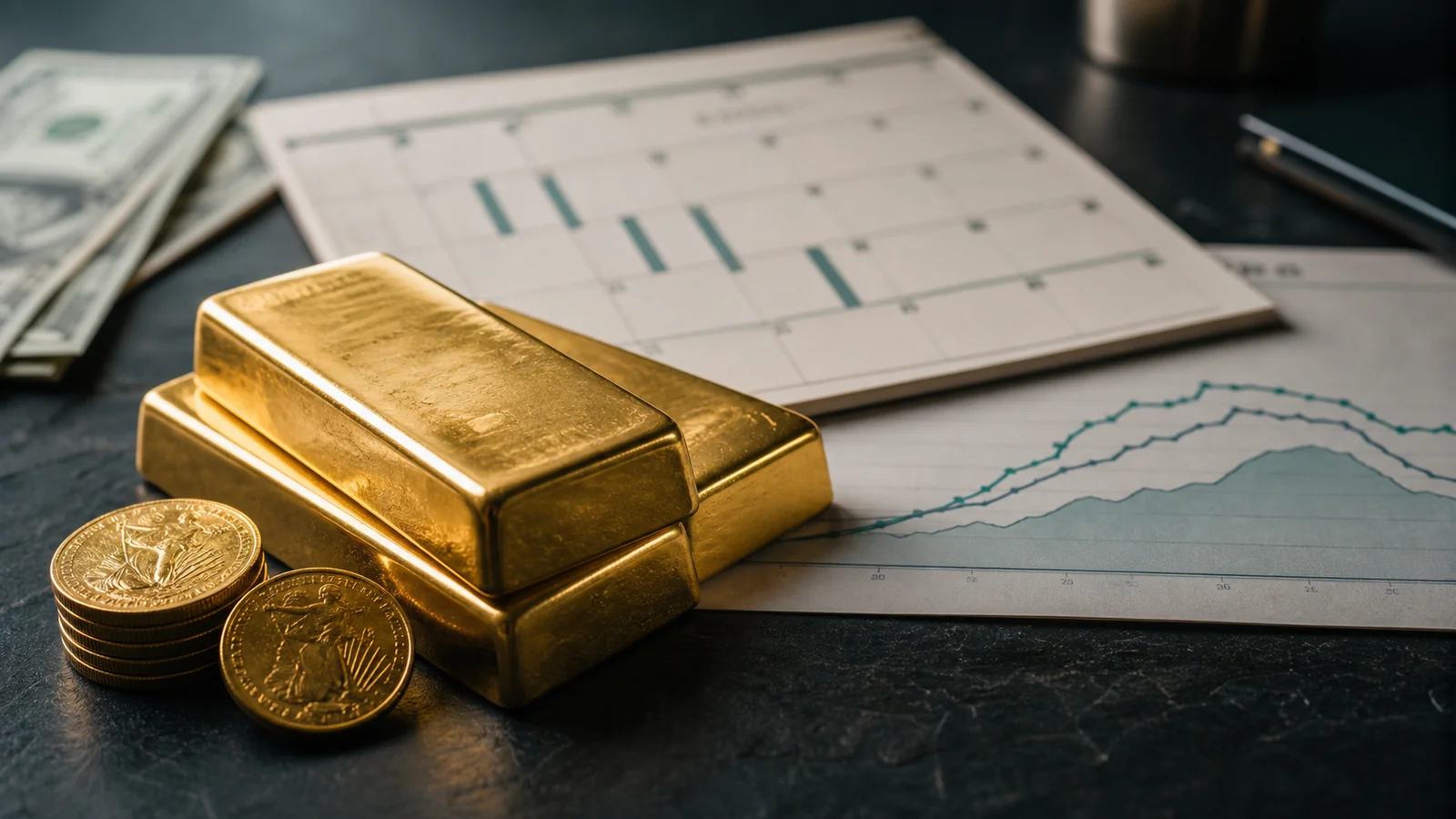
Cooler inflation revives the gold rush
Consumer prices fell 0.4% in June and annual inflation dropped to 3.5%, against 3.8% expected by economists polled by Dow Jones and 4.2% a month earlier. The move came mainly from energy, down 5.7% on the month, its steepest fall since April 2020, even though the category is still up nearly 16% on the year. Core inflation, excluding food and energy, held flat, easing its annual pace to 2.6%. For gold, the logic is simple: less threatening real yields lower the opportunity cost of holding an asset that pays nothing. Bullion gained more than 1% and hit an all-time high of $4,084.
Wall Street exhales, the Fed in focus
The softer print relieved equities. The S&P 500 closed at 7,543.59 (+0.38%) and the Nasdaq Composite at 26,107.01 (+0.90%), led by tech and semiconductors, while the Dow finished nearly flat. Traders trimmed bets on quick Fed tightening, a scenario that had shadowed the market since the spring inflation peak. Focus now shifts to Fed Chair Kevin Warsh's Senate testimony on Wednesday at 4:00pm Paris time and to the June PPI released that morning. Both will show whether the cooldown extends to producers.
Banks open earnings season with a bang
The big US banks kicked off earnings above expectations. Goldman Sachs stood out with earnings of $20.98 a share, far above the $14.48 expected by analysts polled by LSEG, and the stock jumped 9%. Morgan Stanley rose close to 4%, powered by investment banking. Volatility from the conflict with Iran lifted trading revenue, an effect several finance chiefs flagged. The reports set the tone before a wave of results running through month-end.
Oil runs against the tide
Only crude resists the calm. WTI climbed more than 3% toward $80 and Brent topped $86, with markets fearing disruption to traffic through the Strait of Hormuz. That surge keeps alive the inflation risk the CPI just eased, which is why sentiment stays cautious despite higher indexes: CNN's Fear & Greed Index sits at 44. The dollar holds near a one-year high against the euro at 1.1392.
Key levels today
| Instrument | Level / Price | Change | What to watch |
|---|---|---|---|
| S&P 500 | 7,543.59 | +0.38% | Reaction to PPI and Warsh |
| Nasdaq Composite | 26,107.01 | +0.90% | Semiconductor follow-through |
| Dow Jones | 52,508.27 | +0.02% | Rotation into value |
| Gold (XAU/USD) | $4,084 | +1.0% | Real yields and the dollar |
| WTI crude | $80.44 | +3.08% | Strait of Hormuz |
| Bitcoin | $62,009 | -3.16% | Risk appetite |
Economic agenda
June producer prices (PPI) at 2:30pm Paris. Fed Chair Kevin Warsh Senate testimony at 4:00pm. US retail sales tomorrow at 2:30pm.
The bottom line
Softer inflation reopened the door to risk and drove gold to a record. Tense oil and the Warsh hearing remain the session's two guardrails. Follow the thread on our market page.
Get this briefing every morning before the open. Sign up for the newsletter so you never miss a release.
Follow the levels live. Download the TradingNerve iOS app on the App Store.
This is not investment advice.